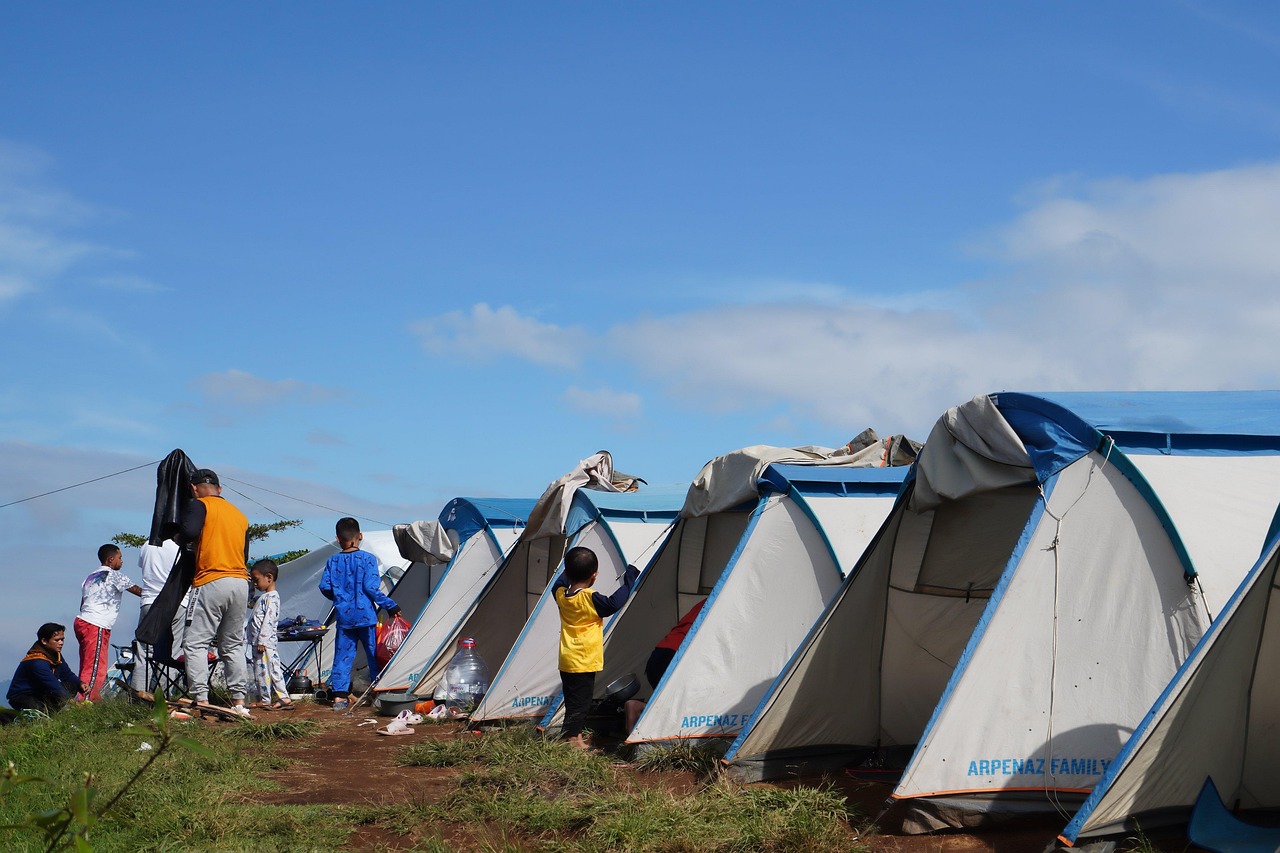
First Camping Trip With Children: Preparing Together
Before a first family camping trip, make room for a conversation about the experience as well as the equipment. What would the children like to try? Which parts of setting up are unfamiliar? What does the campsite require on arrival? These are useful questions to bring to the same table before departure.
Use this guide to start a family conversation about the trip. Plan around the people travelling, the equipment you have and the actual campsite rules, rather than trying to follow a timetable designed for someone else’s family.
In a nutshell
- Practise with the tent before the trip and involve children in planning.
- Choose any children’s participation to suit the individual child, equipment and circumstances.
- Check arrival and supervision requirements with your own campsite. Rules quoted for one operator do not apply automatically elsewhere.
- Consider familiar routines, with expectations suited to the children going.
- Use a family note to record questions and responsibilities if helpful. It is an organising aid, not an approved supervision plan or a promise of an easy first evening.
1Make the practice pitch part of preparation
Practise pitching at home or another suitable place where you have permission. Check the parts and condition, learn the setup and leave time to sort out problems before departure. A rehearsal helps, but cannot guarantee that every fault will show itself.
Let the children explore the tent during the rehearsal and talk through where everyone will sleep and keep their belongings. A familiar setup can make the first arrival feel less like discovering everything at once.
Use the opportunity to make your own notes. Which instructions need another look? What equipment question remains unanswered? Who would you ask for help? These prompts are for your preparation record; they do not establish that a particular tent or task will suit everyone travelling.
Decide which adults will handle the setup and what help the tent requires. Follow its instructions and plan tasks around the people available, especially if someone also needs to supervise children.
2Invite children into the planning
Ask each child what they are looking forward to and what they want to know. Use their answers to plan a manageable activity or small comfort, while keeping the overall trip simple.
Involving children does not transfer booking or safety decisions to them. Choose responsibilities around the individual child, the surroundings and appropriate adult supervision.
Offer simple tasks only where they suit the child and equipment, with an adult supervising. Helping organise familiar belongings may be more appropriate than handling tent parts or tools. Do not assign a task simply because a general camping checklist suggests it.
3Establish the rules for your arrival
Confirm arrival arrangements and check in as required. Learn the site’s fire procedures, emergency contacts and any boundaries or hazards relevant to your family, then explain the appropriate parts to the children.
Arrange adult supervision throughout the stay and check the site’s specific requirements. Do not infer a suitable adult-to-child ratio or permission to leave a child unaccompanied from a general family-camping guide.
Keep the operator’s requirements separate from your family’s intended allocation of jobs. A shared note cannot replace supervision or resolve an arrangement that does not meet the site’s rules. If an arrival or supervision question is unclear, ask the operator before relying on your plan.
4Keep routines and expectations in the conversation
Keep familiar meal and bedtime routines where practical while allowing for the different setting. This is everyday planning, not infant-sleep advice or a promise that everyone will sleep normally.
With toddlers, keep travel, setup and activities manageable and leave room to change the plan. Match expectations to the child rather than trying to complete a busy holiday itinerary.
For your own discussion, identify the familiar parts of the day you would like to retain and the plans you are willing to change. There is no fixed first-evening sequence offered here. Make those choices for your family, with the actual arrival arrangements in view.
5A short family preparation note
If useful, collect the discussion in one blank record:
- Children’s questions and planning ideas: ______
- Tent instructions or equipment questions to resolve: ______
- Simple participation the adults have considered suitable: ______
- Actual campsite arrival and supervision requirements: ______
- Adult responsibilities still to agree: ______
- Familiar routines and flexible plans: ______
- Questions to settle before departure: ______
This is an optional organising aid. It has not been tested as a method for improving safety, sleep or trip outcomes. Its purpose is to keep your decisions and outstanding questions visible, without turning a first camping trip into somebody else’s prescribed schedule.
Read next
Camping Lights Explained: Lumens, Runtime and Not Blinding Your Neighbours
Choose a camping light by task, understand lumens and runtime, and keep unnecessary light out of neighbouring pitches.
Camping After Work: Can One Night Fit Your Plans?
Check whether a one-night campsite stay fits between leaving work and the next day’s commitments, using your own timings and the site’s rules.
Join the conversation
What has worked for you? Share a useful tip, ask a question or tell us about your experience. Keep it friendly and leave out personal contact details.
Comments are reviewed before appearing. Your display name and comment will be public; your email address will not. How we handle your information.